Introduction
Building a pickup camper is a rewarding project. It allows you to design a space that fits your needs. Whether you want flexibility or comfort, a pickup camper offers it all.
In this article, we’ll guide you through building your own pickup camper. From design to assembly, we’ll cover everything you need.
By the end, you’ll know how to start your pickup camper project. Learn more about our products at ALLROAD.
Why Build a Pickup Camper?
Customization for Your Needs
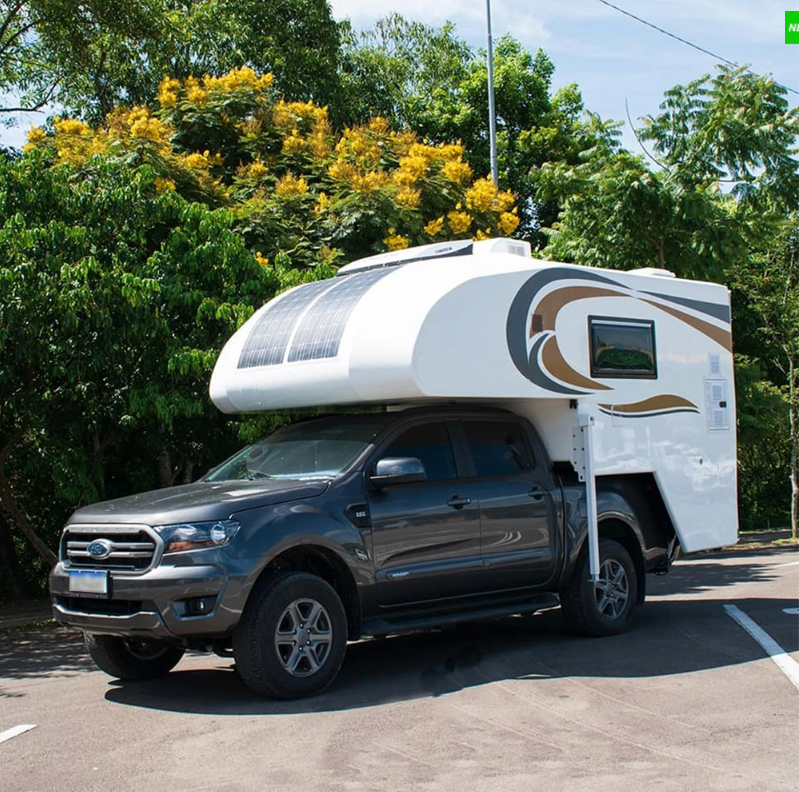
The main advantage of building a pickup camper is the ability to tailor it specifically to your needs. Unlike pre-built campers, a DIY project offers the freedom to customize every aspect of the camper. Whether you’re focused on maximizing space, adding off-grid capabilities, or optimizing for cold-weather use, building your own camper ensures that it’s designed exactly how you want it. For example, modern pickup campers feature high-quality aluminum and fiberglass construction that guarantees a long-lasting adventure companion, providing resistance to corrosion and wear for reliable performance.
Cost vs. Buying
While purchasing a pre-built camper can be costly, building your own can significantly reduce the price. The cost of materials and components can vary, but you have control over the budget. By choosing the right materials and designing a layout that suits your needs, you can build a camper for a fraction of the price of a factory-made unit. Built with superior materials, such as UV-resistant coatings and durable sealing technologies, pickup campers can be just as reliable and comfortable as the expensive models.
Flexibility in Design
Building a pickup camper allows for greater flexibility in design. You can choose the layout, materials, and features that best fit your lifestyle, whether that’s a simple, lightweight camper or a fully-equipped off-road rig. Additionally, customizing your camper gives you the option to adjust its functionality as your needs change over time. Features like secure mounting systems and quality seals ensure that your camper remains durable and comfortable, no matter the weather.
Planning and Designing Your Pickup Camper
Choosing the Right Truck
One of the first things to consider when building a pickup camper is the compatibility with your truck. The truck’s bed size, payload capacity, and weight limits are crucial factors. Ensure that your truck can handle the weight of the camper and any additional gear you plan to carry. It's essential to balance the truck's capacity with the camper's weight to maintain safety and performance.
Designing the Layout
When designing the interior of your pickup camper, think about how you’ll use the space. Will you need storage for gear? Will you want a separate sleeping area? Tools like 3D modeling software or simple sketches can help you visualize the layout. It's important to consider how each component fits within the available space to maximize efficiency and comfort.
Materials Selection
Selecting the right materials for building a pickup camper is essential. Lightweight materials like plywood, foam insulation, and fiberglass are commonly used. These materials help ensure that the camper is both sturdy and lightweight, improving fuel efficiency and ease of handling while driving. Some campers come equipped with advanced features such as fiberglass exteriors and weather-resistant coatings that enhance durability and ensure that your camper remains in top condition for years to come.
Material | Use |
Plywood | Used for structural components, walls, and flooring. |
Fiberglass | Provides weather resistance and durability for the camper’s exterior. |
Foam Insulation | Used for insulation to maintain temperature and prevent condensation. |
Aluminum | Lightweight, strong material for frames and components. |
Canvas | Lightweight and weather-resistant material for exterior and roof. |
Essential Tools for Building a Pickup Camper
Basic Tools
For most DIY pickup camper builds, you’ll need basic tools like drills, saws, and screwdrivers. These tools will help you with tasks like framing, cutting, and assembling various components of the camper. A cordless drill and impact driver are essential for drilling holes and securing screws into the camper’s frame.
Advanced Tools
While basic tools will get you far, some advanced tools can make the building process easier. A table saw, jigsaw, and clamps are useful for making precise cuts and ensuring that pieces fit together perfectly. If you plan to build cabinets or intricate features, a pocket-hole jig and miter saw will also be beneficial.
Safety and Preparation
Before starting the build, ensure that you have a safe workspace. Clear the area of obstacles and set up proper ventilation, especially if you're working with materials that require adhesives or paints. Wearing safety gear, such as goggles and gloves, is also crucial to avoid injury.
Tool Type | Tools |
Basic | Cordless Drill, Saw, Screwdriver, Measuring Tape, Hammer |
Advanced | Table Saw, Jigsaw, Clamps, Pocket-Hole Jig, Miter Saw |
Step-by-Step Guide to Building the Structure
Building the Frame
The frame is the foundation of your pickup camper. It must be sturdy enough to support the weight of the camper and all its components. Begin by building the frame according to your truck's bed dimensions. Use treated lumber or metal framing for strength, and ensure that the frame is properly aligned to avoid any issues later.
Adding Insulation and Exterior
Once the frame is built, it's time to add insulation to keep the camper comfortable in various weather conditions. Foam insulation is a common choice because it's lightweight and effective. After the insulation is in place, you can cover the exterior with durable materials like fiberglass or canvas. This protects the camper from the elements while ensuring longevity. Many pickup campers are designed to be weather-resistant, using quality materials that keep you comfortable no matter the climate.
Installing Windows and Doors
When it comes to windows and doors, you have many options to consider. Fixed windows provide natural light, while sliding windows offer ventilation. Install doors securely and ensure that they are properly sealed to keep the interior warm and dry.
Interior Design and Space Management
Storage Solutions
Space management is key in a pickup camper since room is often limited. Incorporating smart storage solutions like overhead compartments, removable shelves, and collapsible storage bins can help maximize the available space. Use vertical storage whenever possible to keep the floor area clear.
Furniture and Sleeping Areas
Building custom furniture can help you make the most of your pickup camper. A foldable or convertible bed is a popular choice for saving space. If you’re planning on having guests or need more room, consider a seating area that can be transformed into additional sleeping space.
Power Systems and Plumbing
For a self-sufficient camper, integrating power and water systems is essential. Solar panels, battery banks, and water tanks are all key components for off-grid camping. Install a 12V electrical system to power lighting, appliances, and other essentials, and consider adding a simple plumbing system for running water and drainage.
Space Area | Considerations |
Sleeping Area | Design a foldable or convertible bed to save space. |
Storage | Use overhead compartments, removable shelves, and collapsible bins. |
Kitchen | Include compact cooking equipment to maximize space efficiency. |
Power Systems | Install a 12V electrical system and solar power to reduce space use. |
Finishing Touches and Customization
Final Assembly and Details
After completing the major construction of your pickup camper, it’s time to focus on the final touches. These are the details that not only improve the appearance but also add functionality. Apply a fresh coat of paint to the exterior and interior, add trim around windows and doors for a polished look, and apply a sealant to protect against moisture. Installing LED lights for both practicality and ambiance can enhance the camper’s atmosphere. Adding comfortable cushions to seating areas or creating custom storage compartments can help you organize your gear and increase overall usability.
Adding Personalization Features
Once your pickup camper is structurally sound, it’s time to add a personal touch. Personalization makes your camper feel like home. Choose custom fabrics for bedding and upholstery to match your style. Install curtains or blinds for privacy and light control. If you enjoy cozy lighting, consider adding unique lighting features like LED strips or pendant lights. This is where your camper truly reflects your preferences, ensuring a comfortable, welcoming space for all your adventures.
Testing and Adjusting Your Pickup Camper
First Trial Run
Once the pickup camper is fully assembled and all systems are in place, it’s essential to take it for a first trial run. This helps you test the camper's functionality and comfort. Ensure that the sleeping area is comfortable, and that the electrical systems, plumbing, and appliances are working as expected. During the trial run, pay close attention to the stability and comfort of the camper. Test the driving experience and check for any issues with the camper’s movement or handling. Use this first run to gather feedback and make adjustments as necessary.
Adjustments and Upgrades
After your first trial, you may identify areas for improvement. Whether it's optimizing the layout for more space, adding more storage, or upgrading systems like water filtration or solar power, building your own camper allows for continuous improvement. Make small adjustments based on your experience, and don't hesitate to upgrade any systems to improve your camper’s efficiency and comfort. With your own pickup camper, you're not limited to the initial build—it's a project that can evolve as your needs and preferences change.
Common Mistakes and How to Avoid Them
Overloading the Truck
A common mistake many people make when building a pickup camper is overloading the truck. Exceeding the vehicle's payload capacity can cause poor handling, increased wear on the truck, and potential safety issues. Always ensure that the total weight of the camper and all your gear does not exceed the truck’s specified limits. Check your truck’s manual for detailed payload capacity and plan accordingly to avoid these risks.
Poor Planning of Layout
Another common mistake is not spending enough time planning the layout of the camper. A poorly planned layout can lead to a cramped and inefficient space that doesn’t serve your needs. Be sure to plan out every section carefully—think about how you’ll store gear, where you’ll sleep, and where your kitchen and bathroom will go. A thoughtful layout maximizes the use of space, making your pickup camper both practical and comfortable.
Skipping Maintenance
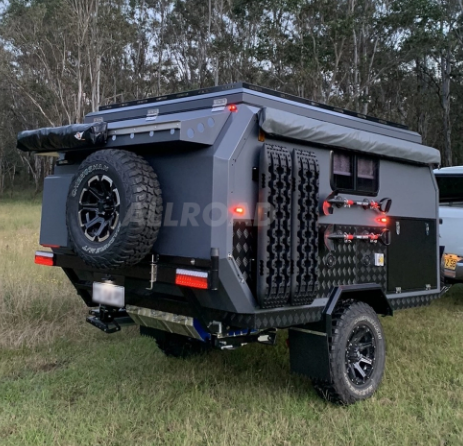
Maintaining your pickup camper is essential for ensuring its long-term durability. Many DIY builders make the mistake of neglecting maintenance after the build is complete. Regular inspections and cleanings will help you spot potential issues like wear on seals, rust on metal parts, or leaks in the roof. Additionally, check the tires, electrical system, and plumbing periodically to prevent breakdowns during your adventures. A well-maintained camper will continue to perform reliably and provide comfort for years to come.
Conclusion
Building a pickup camper offers a unique and rewarding experience. By following this guide, you can create a personalized space that meets your needs. Whether for comfort, functionality, or adventure, a pickup camper provides a perfect solution for on-the-road living. ALLROAD offers products designed to enhance your camping experience, ensuring durability and comfort for all your outdoor adventures.
FAQ
Q: What is a pickup camper?
A: A pickup camper is a small, portable living space that fits into the bed of a pickup truck. It offers mobility and flexibility for outdoor adventures.
Q: How do I build a pickup camper?
A: To build a pickup camper, start by designing the layout, selecting materials like plywood and insulation, and constructing the frame. Use tools like drills and saws for assembly.
Q: Why build a pickup camper instead of buying one?
A: Building a pickup camper gives you customization options, reduces costs, and allows you to create a camper that suits your exact needs and preferences.
Q: What tools do I need to build a pickup camper?
A: You'll need basic tools such as a drill, saw, and screwdriver. Advanced tools like a jigsaw and clamps can help with precision.


