Choosing the right caravan is crucial for ensuring a comfortable and enjoyable travel experience. A caravan isn't just a vehicle—it's your home on wheels, offering the comfort and convenience needed to explore new destinations. Whether you're planning a short weekend getaway or a long road trip, the right caravan can make all the difference in how enjoyable your journey is.
Selecting the right features is essential for optimizing your caravanning experience. Features like comfortable sleeping arrangements, a well-equipped kitchen, adequate insulation, and plenty of storage space are key to a smooth and enjoyable trip. Without these basics, you risk facing discomfort or inconvenience, which can detract from the enjoyment of your adventure.
When purchasing a caravan, it's important to focus on the must-have features that will ensure both comfort and practicality. Key considerations include sleeping options, safety features, towing capabilities, and other essential elements that contribute to a safe and comfortable experience on the road. Whether you're purchasing your first caravan or upgrading your current one, carefully evaluating these features will help you make a choice that aligns with your needs and lifestyle.
Size and Layout of Your Caravan
1.Choosing the Right Size:
The size of the caravan depends on the number of travelers and how you'll use it. For solo travelers or couples, a smaller caravan with essential amenities is ideal, while larger groups or families will need more space for comfort and privacy. Always check your vehicle’s towing capacity to ensure it can safely tow the caravan.
2.Layout Options: Single-Axle vs. Twin-Axle:
Single-Axle Caravans: These are lighter, easier to tow, and ideal for smaller groups or couples. They feature compact layouts with all the necessary amenities.
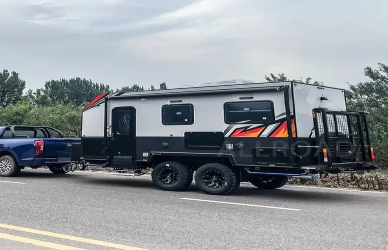
Twin-Axle Caravans: Larger and more stable, twin-axle caravans are perfect for families and long trips. They offer more space and added stability, especially on rough terrain.
3.Optimizing Space and Layout:
Caravan layouts often include space-saving features like:
Foldable Furniture: Tables, beds, and chairs that fold away when not in use, freeing up space.
Storage Compartments: Built-in storage under beds or in external boxes for bulky items.
Separate Areas: Larger caravans often have separate zones for sleeping, dining, and cooking, providing privacy and more organized living space.
Kitchen and Cooking Facilities in Your Caravan
1.Must-Have Kitchen Appliances:
A functional kitchen is essential for long trips, and caravans are designed to offer everything you need to cook meals on the go. Key appliances include:
Stoves: A gas or electric stove is essential for cooking meals. Many caravans offer a two- or three-burner stove, ideal for preparing everything from simple meals to more elaborate dishes.
Microwaves: A microwave oven allows for quick meals or reheating leftovers, especially useful for fast and convenient meals during a busy day on the road.
Fridges: A fridge, whether powered by gas or electricity, is crucial for keeping perishables fresh and beverages cool. Look for models with adequate capacity and efficient energy usage.
Sinks: A built-in sink is important for washing dishes and cleaning up after meals. Many caravans come with a compact sink and a hand pump or tap for easy water flow.
2.Counter Space and Storage:
Adequate counter space and storage options are vital for a comfortable cooking experience in a caravan.
Counter Space: Look for a caravan with a countertop that provides enough room for meal prep and cooking. Some caravans have fold-out counters or extendable surfaces to maximize space when needed.
Storage for Cooking Essentials: Proper storage is necessary to keep your kitchen organized. Look for caravans that offer cabinets, drawers, and open shelving for utensils, pots, pans, and food supplies. The more organized your kitchen, the more functional and efficient it will be on the road.
3.Water Supply System and Waste Disposal:
A well-equipped water system is essential for a fully functional kitchen.
Water Supply: Most caravans are equipped with a fresh water tank and a pump system, ensuring a continuous supply of water for cooking and cleaning. Consider the capacity of the water tank based on how long you'll be traveling without access to refill stations.
Waste Disposal: Proper waste disposal is just as important as a water supply. Look for a caravan that includes a grey water tank for dishwashing and shower use, as well as a waste tank for toilet use if your caravan includes a bathroom.
Drainage System: A caravan with a good drainage system makes waste management much easier. Make sure the system is easy to empty and maintain, especially on longer trips.
Sleeping Arrangements in Your Caravan
1.Comfortable Bedding Options:
Choosing the right bedding is key for a good night's sleep.
Fixed Beds: These are permanent, comfortable sleeping areas, ideal for couples or small families. Fixed beds typically offer better comfort with proper mattresses and bedding.
Convertible Seating: Some caravans have seats that turn into beds, such as a dinette or sofa. While not as comfy as fixed beds, they offer flexibility and are perfect for smaller spaces.
2.Size of the Beds:
The size of the bed depends on your needs:
Single Beds: Great for solo travelers or children, though smaller.
Double Beds: Ideal for couples, offering enough space for two adults. These might be fixed or convertible.
Family-Sized Beds: Larger caravans may offer family-sized sleeping arrangements, such as bunk beds or spacious doubles, perfect for families traveling together.
3.Storage and Accessibility Around Sleeping Areas:
Good storage and easy access to essentials around the bed are essential:
Storage Near the Bed: Look for bedside tables, overhead cabinets, or compartments for easy access to essentials like books or electronics.
Under-Bed Storage: Many caravans have storage beneath the bed for larger items like luggage or camping gear.
Space Around the Bed: Ensure there's enough room to move around the bed and access storage easily, especially if you're using convertible seating.
Bathroom and Toilet Facilities in Your Caravan
1.Benefits of Built-In Bathroom or Wet Room:
A built-in bathroom or wet room adds comfort and convenience, especially for longer trips. It allows you to freshen up without relying on public restrooms, offering privacy and hygiene during your travels.
2.Options for Toilets and Showers:
Cassette Toilet: A portable, easy-to-maintain toilet system that can be removed and emptied at waste disposal points.
Shower and Toilet Combo: A space-saving option that combines both toilet and shower in a single unit, ideal for smaller caravans.
Wet Room: A full waterproof bathroom, offering more space for showering and a more luxurious experience.
3.Water Tank Capacity and Drainage System:
Fresh Water Tank: A larger fresh water tank (typically 40-100 liters) ensures enough water for longer trips without hookups.
Waste Water Tank: A larger waste water tank offers flexibility for extended stays, reducing the need for frequent disposal stops.
Efficient Drainage System: Ensure the caravan has an easy-to-maintain drainage system for both fresh and waste water, with straightforward waste tank emptying.
Heating and Cooling Systems in Your Caravan
1.Heating Systems for Colder Climates:
A reliable heating system is essential for caravanning in colder weather.
Gas Heaters: Widely used in caravans, gas heaters are energy-efficient and provide consistent warmth, making them perfect for chilly nights or winter trips.
Electric Heaters: Ideal for campsites with electrical hookups, electric heaters offer convenience and quieter operation compared to gas models. These systems ensure comfort and warmth, making cold-weather caravanning enjoyable and safe.
2.Air Conditioning for Warmer Climates:
For hot climates or summer road trips, air conditioning is a must.
Roof-Mounted AC Units: These are the most common in caravans and provide powerful cooling for the entire vehicle, keeping the interior comfortable even on the hottest days.
Portable AC Units: A more flexible option, portable ACs can be moved and set up where needed, offering additional cooling in specific areas. An air conditioning system ensures that your caravan remains comfortable and liveable during high temperatures.
3.Insulation and Ventilation for All Weather Conditions:
Proper insulation keeps the caravan warm during winter and cool in summer, improving energy efficiency. Good insulation reduces the need for excessive heating or cooling, saving energy and maintaining a steady internal temperature. Ventilation is just as important—adequate airflow prevents condensation and keeps the interior fresh, reducing the buildup of humidity. Roof vents, windows that open, and extractor fans are essential for maintaining air quality and comfort.
FAQ Section:
1.What is the ideal size of a caravan for a family of four?
Provide guidance on choosing a caravan size that accommodates the family comfortably, including sleeping and storage needs.
2.How do I determine the right towing capacity for my caravan?
Explain how to match the towing capacity of the caravan with the towing capacity of the car or vehicle used.
3.Are solar panels necessary for my caravan?
Discuss the advantages of solar panels for off-grid living and how they can extend the caravan's power supply.
4.What are the best heating options for winter caravanning?
Explain the different heating options (gas heaters, electric heaters) and which are most effective for cold weather camping.
Conclusion:
When buying a caravan, it’s essential to consider key features like the size and layout, kitchen and cooking facilities, sleeping arrangements, bathroom and toilet options, and heating and cooling systems. Each of these features plays a significant role in ensuring that your caravan meets your needs for comfort, functionality, and safety. Whether you're planning weekend getaways or long-term travel, the right caravan can make all the difference in your experience. Balancing comfort with practicality is crucial—too many amenities may add weight or complexity, while too few could compromise your comfort.
Take the time to research and understand what features will best suit your lifestyle and travel plans. Consider the type of trips you plan to take, the number of people traveling, and the climates you’ll encounter. By thoughtfully assessing these factors, you’ll be able to choose a caravan that offers the ideal combination of comfort, convenience, and safety, ensuring that your adventures on the road are as enjoyable as possible.
At ALLROAD, our commitment extends beyond production: we strive to build lasting partner ships by delivering superior products, responsive service, and innovative thinking.