A truck camper is a type of recreational vehicle (RV) that is designed to fit onto the bed of a pickup truck, transforming the truck into a mobile home. These campers are typically compact and offer a simple yet effective solution for those who enjoy outdoor adventures, providing both sleeping space and essential amenities. Unlike traditional motorhomes, truck campers are easily detachable, allowing the truck to be used for other purposes when the camper is removed.
The main use of truck campers is to offer a convenient mobile accommodation solution for camping, road trips, and outdoor exploration. Whether it's for a weekend getaway, long-term travel, or off-road expeditions, truck campers provide a comfortable, portable living space that can go anywhere. They combine the mobility of a pickup truck with the comfort of a small living space, making them ideal for those who want the flexibility of traveling while still having access to essential facilities like a bed, storage, and kitchen setup.
Space Design in Truck Campers: Is it Suitable for Sleeping?
When it comes to truck campers, the design of the interior space and bed setup directly influence the quality of sleep. These campers are typically small, and efficient use of space is critical to making them comfortable for rest. Here’s how various design elements play a role:
1. Interior Layout and Bed Design
The bed design in a truck camper is often built into the "cab-over" section, which extends over the truck's cab, or in a fold-out arrangement to maximize space. The key to a comfortable sleep setup in such a compact space lies in the quality of the mattress and the arrangement of the sleeping area. Many truck campers come with custom-built foam mattresses or space-saving foldable beds that allow for a good night's rest. However, given the small space, headroom is an important factor—higher ceilings or sloped rooflines can make the camper feel less cramped, allowing for more comfortable sleeping arrangements.
Additionally, furniture such as foldable tables and chairs, retractable kitchens, and built-in storage must be compact enough to not interfere with the bed's usability while still offering functionality. A well-organized camper will ensure that the sleeping area remains uncluttered and provides enough room to stretch out.
2. Impact of Hard-Top vs. Soft-Top Truck Campers
The type of truck camper—hard-top or soft-top—also significantly influences sleep quality, particularly in terms of comfort, insulation, and weather resistance.
Hard-Top Truck Campers: These campers are built with solid, rigid roofs and walls, offering superior protection from the elements. The hard shell construction provides better insulation, making the camper more comfortable in colder weather, as it prevents heat from escaping and keeps the interior warmer. The sturdy design also helps to minimize external noise, providing a more peaceful sleeping environment. The enhanced security that comes with a hard-top camper is another advantage, ensuring privacy and safety while sleeping.
Soft-Top Truck Campers: Soft-top campers are lighter and more flexible, typically made from durable canvas or fabric material. They are often favored for their ability to expand and provide more space, as the sides can be unzipped or extended for extra room. While they may not provide the same level of insulation as hard-top campers, soft-top models offer better ventilation and airflow, making them ideal for warmer climates. However, the fabric construction means less protection against extreme weather, such as rain or strong winds, which could affect sleep quality by causing noise or discomfort.
3. Overall Comfort Factors
Apart from the bed and the roof type, several other factors affect comfort. Ventilation is critical in a truck camper, especially for a restful sleep. A camper with adjustable windows, vents, or even built-in fans can help regulate temperature and humidity, ensuring the sleeping area doesn’t become too stuffy or too cold.
Another aspect to consider is the noise levels. Truck campers with thicker walls or insulation help block outside noises, such as wind or road traffic, making sleep more peaceful. Adding soft materials like curtains or rugs can also contribute to better sound insulation and a more comfortable atmosphere inside the camper.
Comfort Level: How to Improve Sleep Quality?
In a truck camper, comfort is key to a restful sleep, especially with limited space. Here’s how you can enhance the sleep quality in your camper:
1. Common Bed Configurations in Truck Campers
Cab-over Beds: Positioned above the truck cab, offering more space while keeping the truck bed available for storage.
Folding or Convertible Beds: These can be stowed away during the day, maximizing space. Some models feature sofa beds or dinettes that convert into beds.
Slide-Out Beds: Found in larger models, these extend the sleeping area for added comfort.
Bunk Beds: Ideal for families, though may require additional padding for comfort.
2. Tips to Enhance Sleep Comfort
Upgrade the Mattress: Consider replacing the basic foam mattress with a thicker, memory foam mattress for better support and comfort.
Add Extra Padding: If upgrading the mattress isn’t possible, a foam topper or mattress pad can provide extra cushioning.
Use Blackout Curtains: Block out light and improve sleep by installing blackout curtains or window covers. These also help with privacy.
Temperature Control: Use portable fans for cooling or small space heaters for warmth. Insulated window covers help maintain the ideal temperature.
Improve Ventilation: Ensure good airflow with adjustable vents or small fans to keep the air fresh and comfortable.
Noise Reduction: Minimize external noise by adding soft materials like curtains or rugs, or using earplugs or a white noise machine.
Personalize Your Space: Soft pillows, cozy blankets, and breathable sheets can make your bed feel more inviting.
Organize Efficiently: Keep the space clutter-free with smart storage to ensure a clean, comfortable sleeping area.
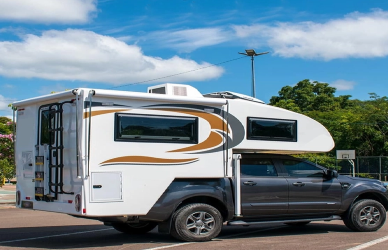
Truck Campers vs. Other Camping Options
Choosing the right camping option depends on your needs. Here’s a brief comparison of truck campers, tents, and RVs based on space, convenience, and weather adaptability.
1. Space and Convenience
Truck Campers: Compact yet functional, with built-in storage, a bed, and kitchen. They’re easy to set up and remove, offering comfort in limited space, ideal for solo or small group camping.
Tents: Portable and spacious, but require a separate vehicle and more setup time. Tents lack built-in amenities, so extra gear is needed for comfort.
Other RVs: RVs offer full amenities and large living space but are bulkier, less maneuverable, and more fuel-consuming than truck campers.
2. Weather Adaptability
Truck Campers: Insulated and weather-resistant, providing warmth in cold weather and protection from rain and wind. Soft-top campers offer less insulation but still perform better than tents.
Tents: Vulnerable to the elements with little insulation. Tents are breathable in warm weather but uncomfortable in cold or wet conditions.
Other RVs: Well-insulated and climate-controlled, ideal for year-round use. However, their large size limits access to remote locations.
3. Why a Truck Camper Might Be Better than a Tent for Sleeping
Comfort: Truck campers have beds with mattresses, providing a more comfortable sleeping environment. Tents usually require air mattresses or sleeping pads, which can be less comfortable.
Insulation: Truck campers are insulated, offering better temperature control. Tents offer little insulation, making them uncomfortable in extreme temperatures.
Security and Privacy: Truck campers provide more security with solid walls, while tents leave you more exposed to wildlife and the elements.
Convenience: Truck campers are easy to set up with the bed ready to use. Tents require more setup, especially in bad weather.
Pros and Cons of Truck Campers
Truck campers offer a blend of mobility and comfort, but they come with both advantages and challenges. Here’s a quick look at their pros and cons.
1.Pros of Truck Campers
Safer
Truck campers provide a solid, secure shelter that protects you from wildlife, weather, and potential threats. You can lock the camper when you're away, ensuring the safety of your belongings.
More Comfortable
Unlike tents, truck campers offer built-in amenities like a mattress, kitchen, and storage, providing a comfortable living space. You’ll have a stable, weather-resistant shelter and a ready-made bed for a good night’s sleep.
Convenient
Easy to park and set up, truck campers offer flexibility for spontaneous trips. They’re compact and maneuverable, making them ideal for accessing remote or off-road locations. They’re also easier to store than larger RVs.
2.Cons of Truck Campers
Limited Space
Truck campers are smaller than RVs, which can feel cramped, especially for multiple people or long stays. The space is limited, and storage can be tight, making it less ideal for those with a lot of gear or a family.
Need for Proper Parking
Finding suitable parking can be a challenge, particularly in urban or remote areas. Truck campers require a flat, stable surface to park, and some locations may not accommodate them.
FAQ (Not Repeated from Earlier)
1.Can you install a bed in a truck camper?
Yes, you can install a bed in a truck camper. Many models come with built-in beds, but you can add a custom bed frame or foldable bed to improve comfort and space utilization.
2.Is a truck camper suitable for cold weather camping?
Yes, with proper insulation and heating, truck campers are suitable for cold weather. Add extra insulation, use a portable heater, and ensure windows and seams are sealed to stay warm.
3.How do you ensure privacy when sleeping in a truck camper?
Install curtains or window covers for privacy. You can also use partitions or privacy screens inside, or opt for tinted windows to block external view.
4.What is the average lifespan of a truck camper?
With regular maintenance, a truck camper can last 10 to 20 years. Routine checks and upkeep, such as sealing leaks and inspecting parts, help extend its lifespan.
Conclusion
Truck campers are an excellent choice for camping and resting, offering a perfect blend of comfort, mobility, and security. They provide a secure, weather-resistant space with built-in amenities like a bed, kitchen, and storage, making them far more comfortable than traditional tents. Their compact size allows for easy parking and maneuverability, especially in remote or off-road locations. Whether you're heading on a weekend getaway or a longer road trip, a truck camper ensures that you have a comfortable and convenient place to rest. However, if you prioritize more space for extended stays or travel with a family, the limited space of a truck camper might feel restrictive. For those seeking a balance between convenience and comfort without the bulk of an RV, a truck camper is a fantastic option, offering the flexibility to travel freely while still enjoying a cozy home on the road.


